A better surface for better cell culture
SENCE™ is a range of cell culture well plates coated with a biomimetic, animal-free surface, designed to enhance existing workflows.
- Xeno-free
- Quality controlled
- Batch-consistent

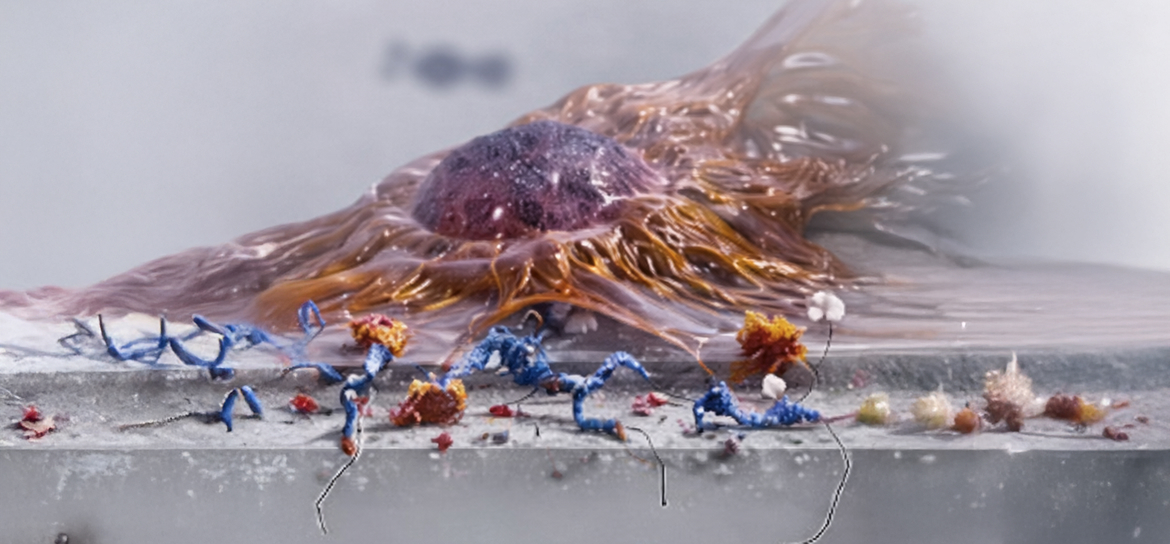
Cells in the lab don’t behave like cells in the body
However, medicines and therapies rely on experiments with human cells, often cultured in plastic environments.
Advanced therapies need next-generation culture environments. This is where our SENCE™ platform comes in.
Lab cell culture experiments suffer on several key fronts:
Environments lack physiological accuracy, limiting predictive power
Cells behave differently in vitro than they do in the human body
Research relies heavily on animal cells, reducing translational relevance
Plastic introduces variability. SENCE™ removes it. Same plate. Same workflow. Different surface.
Compare standard tissue-culture plastic and protein coatings with a defined, synthetic SENCE™ surface, designed to reduce variability and improve reproducibility. No new workflow. Just a better surface.
Standard 96 well plate
SENCE™ 96 well plate
Conventional plastic + coatings
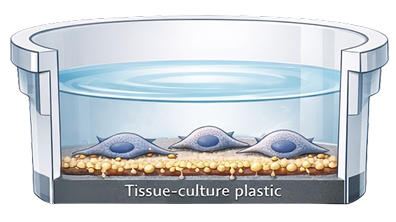
Fixed, non-physiological stiffness
Variable protein presentation
Coatings can degrade or detach
Hidden assay variability
Surface effects are hard to control
SENCE™ defined surface

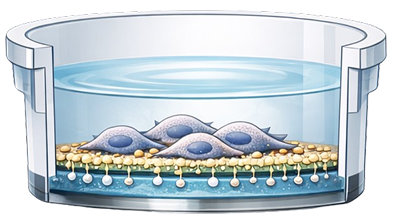
Tissue-relevant, defined stiffness
Stable, covalently tethered ECM
Independent control of mechanics + coating
Reduced variability across experiments
Defined, QC-controlled surface
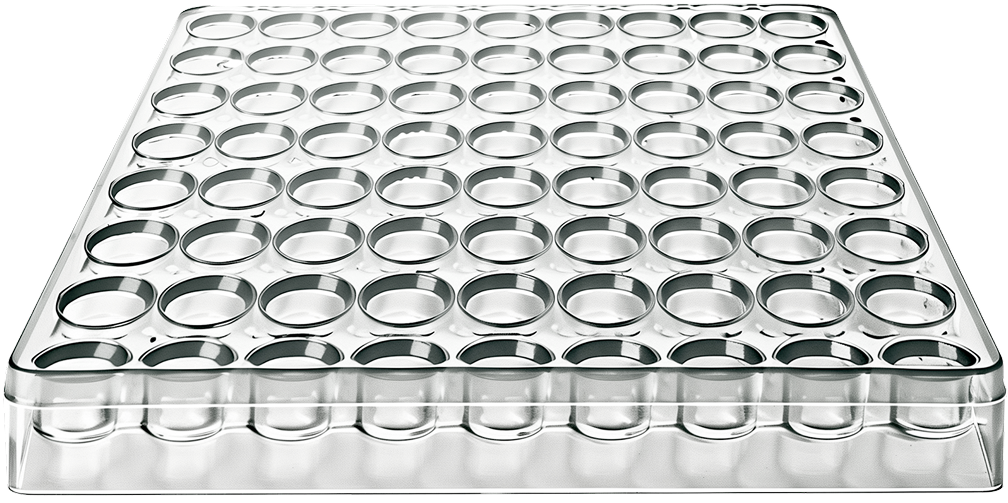

The SENCE™ Surface
We design, build and optimise cell culture envionments to 'feel' to cells like specific areas of the body. We sell ready to use products or partner to create novel environments
Replace plastic
Our biometric coating produces pure cell populations, exactly to your needs, without any unwanted 'extras'.
Reduce variability
Cells keep working properly for much longer on standard plates, extending research windows significantly.
Scale easily
A technology which works and scales across workflows, from plates, flasks and beads, to bioreactors.
SENCE™ has already been tuned to many specific cell culture niches which are ready for purchase through our Early Access Program
A few examples include:
The core technology platform material is precisely tuned, together with media conditions, to create complete cell culture environments that replicate diverse human tissues.
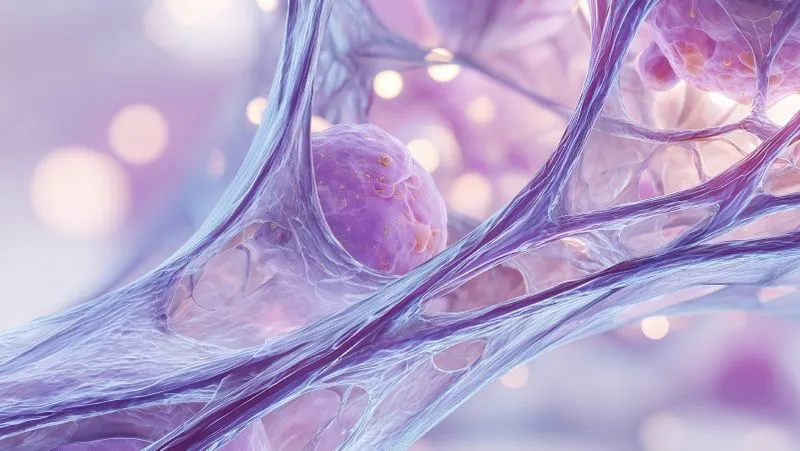
Lymph node environment
We are developing a base environment that captures the structural and mechanical features of the lymph node. This will provide the foundation for exploring immune cell behaviour and for future tuning into specific applications, such as T cell culture.
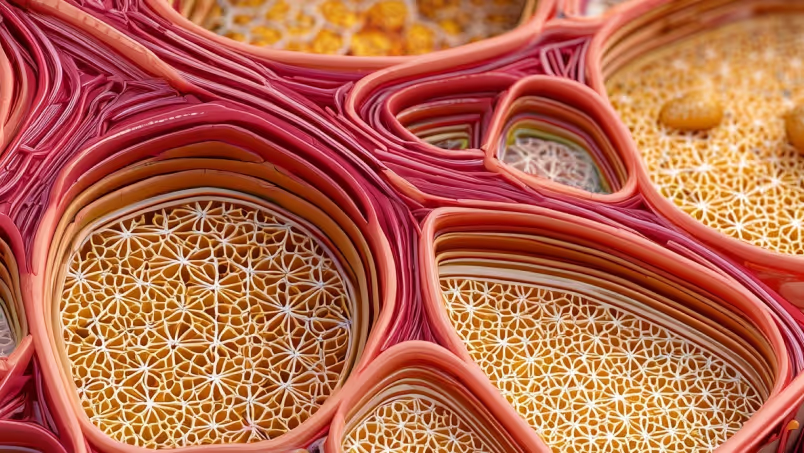
Liver environment
A developing niche designed to reflect the mechanobiology of liver tissue. Our aim is to create a platform that supports studies of liver cell development and function, forming the groundwork for future tuning towards hepatocyte, cholangiocyte, and metabolic applications.

Brain environment
An environment that reflects the physical and structural cues of brain tissue. This foundation is intended to support investigations of neural and glial biology, with the potential to be tuned for applications in ageing, repair, and disease modelling.
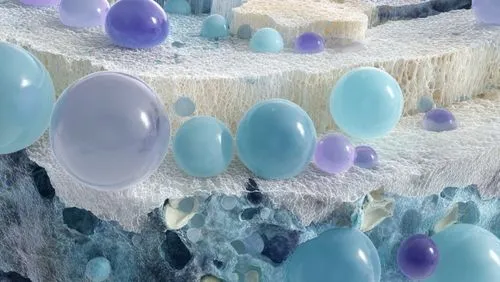
Joint environment
A pilot environment to model the unique stiffness and extracellular structure of cartilage. It is designed to provide a baseline setting for maintaining chondrocyte identity and mesenchymal cell behaviour, forming the starting point for future tuning toward joint regeneration and arthritis research.
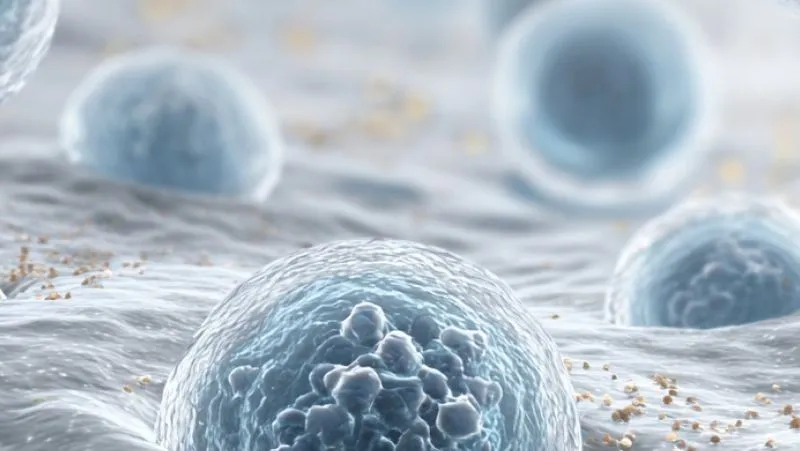
Your environment
With SENCE™, you can work with us to design and build an environment tailored to your research. Together, we’ll tune the mechanics and biochemistry to create the right conditions for your specific cells, enabling a true-to-life model of your choice.
The opportunity to create a comprehensive array of products
Driven by customer needs, it will be possible within each distinct environment to create specific applications. These will be ready-to-use products and will not require further tuning by customers in their own labs.
Ready-to-use cell culture surfaces that reduce variability
Standard plates, coverslips and inserts coated with a synthetic, xeno-free hydrogel, designed to improve reproducibility without changing your workflow.
Start an order requestReduce variability
Tailored environments designed for your specific cell type and application.
Controlled Microenvironments
Precise regulation of key variables to reduce experimental variability.
Scalable Platform Architecture
Move from research to production without redesigning your setup.
We believe cells should be grown in environments that reflect real biology, not rigid plastic or variable coatings.
StemBond develops synthetic, ready-to-use surfaces that give cells a more realistic environment while improving reproducibility in standard workflows.
Meet the team







Built for real-world impact
Adopted by 10+ leading Cambridge research groups
Backed by leading investors





Publications available